Van Gogh sale at Sotheby's disputed over Nazi-era claim
Heirs of a German family say a $180m Van Gogh may have been sold under duress as the Nazis rose. Sotheby's says its research has not shown that.
This story was written with AI assistance and reviewed and published by an editor.
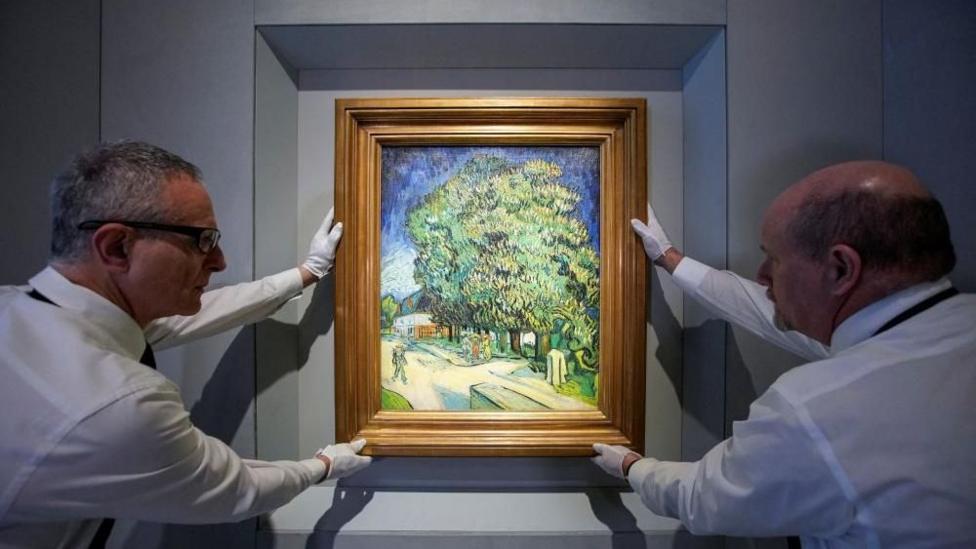
A Vincent van Gogh painting estimated at $180m (£136m) is at the centre of a dispute days before it is due to be sold in New York. Lawyers speaking for the heirs of the Fischer family, who owned the work in Germany long ago, argue that the sale may have been forced while the Nazis were gaining power. Sotheby's, the auction house, says its own research has not shown that, but it has promised to work with the family on a solution.
The painting and the sale
The work is Châtaigniers en fleurs, which translates as Blossoming Chestnut Trees. The auction is in New York on Wednesday, and the painting is offered as part of a group called the Blaquier-Arrieta Collection. A pre-sale estimate of $180m puts it among the most valuable lots in the auction calendar.
What the heirs say
The Fischer heirs' representatives argue that a sale made in Germany as the Nazis gained power may not have been a free choice. The claim is that the family may have been forced to sell, which is the meaning of the phrase "sold under duress". Such sales are a central issue in the field known as restitution, where families seek the return of art, or a share of its value, when they believe ownership was lost because of persecution.
What Sotheby's says
Sotheby's told the BBC that it treats provenance and restitution with great seriousness and has studied the painting's ownership history in depth. It says it knows of the concerns raised by the heirs' representatives and has been in dialogue with them. So far, it says, that work has not shown the sale to have been forced. It adds that it recognises the importance of engaging constructively with the family and is committed to working toward a resolution that both sides can accept.
What a resolution could look like
The sources do not say what form a settlement might take, and this article does not guess. In disputes of this kind, outcomes have in the past included an agreed split of sale proceeds or a decision to withdraw a work, but nothing in the reports confirms that either is under discussion here.
Why it matters
Provenance, the documented chain of ownership of an artwork, has become one of the most sensitive areas of the art trade. A sale at this price draws attention not only from collectors but from families, museums and governments. How Sotheby's handles the days before Wednesday's sale will be watched as a test of how the market treats claims that remain contested.
What to watch next
Key points are whether the painting is sold on Wednesday as planned, withdrawn or delayed, and whether Sotheby's and the Fischer heirs announce an agreement.
More arts and culture coverage: Carmelle's win at Eurovision Asia and Noel Fielding on old jokes with Russell Brand.
Frequently asked questions
What is the painting?
Châtaigniers en fleurs, or Blossoming Chestnut Trees, by Vincent van Gogh, with an estimate of $180m.
Why is the sale disputed?
Representatives of the Fischer family heirs say the painting may have been sold under duress during the rise of the Nazis.
What does Sotheby's say?
Its research has not established a sale under duress, but it is in dialogue with the heirs and wants to reach a mutually satisfactory resolution.