Nigeria warns travellers with health issues over Addis Ababa transit
Nigeria's foreign ministry says Nigerians with underlying health problems have died while transiting through Ethiopia's high-altitude capital this year.
This story was written with AI assistance and reviewed and published by an editor.
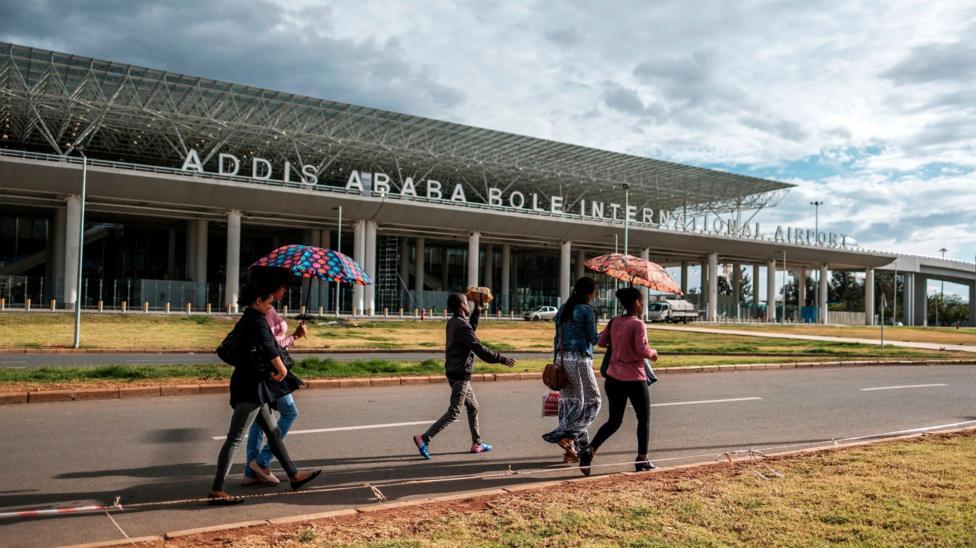
Nigeria's government has told its citizens, especially those with medical conditions, to be careful about travelling through Ethiopia's main airport because of the altitude. The foreign ministry in Abuja says several Nigerians who already had medical conditions have died in 2026 on layovers in Addis Ababa.
Reports differ on the figure, with one summary saying six and the fuller account saying 16, so the exact number should be confirmed with the ministry [VERIFY]. The ministry did not name the travellers or say what caused their deaths.
Why altitude matters
Addis Ababa sits at 2,334 metres (7,657 feet) above sea level, which makes it one of the highest capital cities in the world. At that height the air is thinner, so less oxygen reaches the bloodstream. The heart must pump harder to move oxygen around the body, which carries real risks for people with heart or lung disease and can occasionally end in heart failure.
What the ministry advises
The ministry said people with cardiovascular or respiratory conditions face a higher risk. It urged anyone whose health could be made worse by high altitude to take care when planning a journey through the city and to get proper medical advice before travelling. It also stressed that it does not want to discourage Nigerians from using the Ethiopian capital as a transit point.
Why this route is so busy
Bole International Airport is a key crossing point between Africa, the Middle East and Asia, handling millions of travellers annually. Many travellers from West Africa connect there on the way to other continents, so the warning affects a large number of people. Passengers with long layovers may spend several hours in the terminal, where the effects of altitude can build.
What travellers can do
Doctors generally suggest that people with known heart or lung disease speak to their physician before a trip involving high altitude, carry their medication in hand luggage, and avoid heavy exertion during a layover. Anyone who feels short of breath, dizzy or has chest pain should seek help from airport medical staff at once.
What happens next
Ethiopian authorities had not, in the material we reviewed, responded to the warning. Airlines and airports may issue their own guidance if more cases are reported.
More from The Rabbit Post
For more travel-related news, read about US flights resuming after a nationwide ground stop and the Meta fine in Italy.
Frequently asked questions
Why did Nigeria issue the warning?
Its foreign ministry says Nigerians with underlying health problems have died this year while transiting through Addis Ababa, a high-altitude city.
How high is Addis Ababa?
The city sits at 2,334 metres (7,657 feet) above sea level.
Is Nigeria telling people not to travel through Ethiopia?
No. The ministry says it does not want to discourage travel, but urges people with health conditions to seek medical advice first.